
Paintings that are heavily inspired by my poetry, womanhood, nature and spirituality.
Paintings that are heavily inspired by my poetry, womanhood, nature and spirituality.

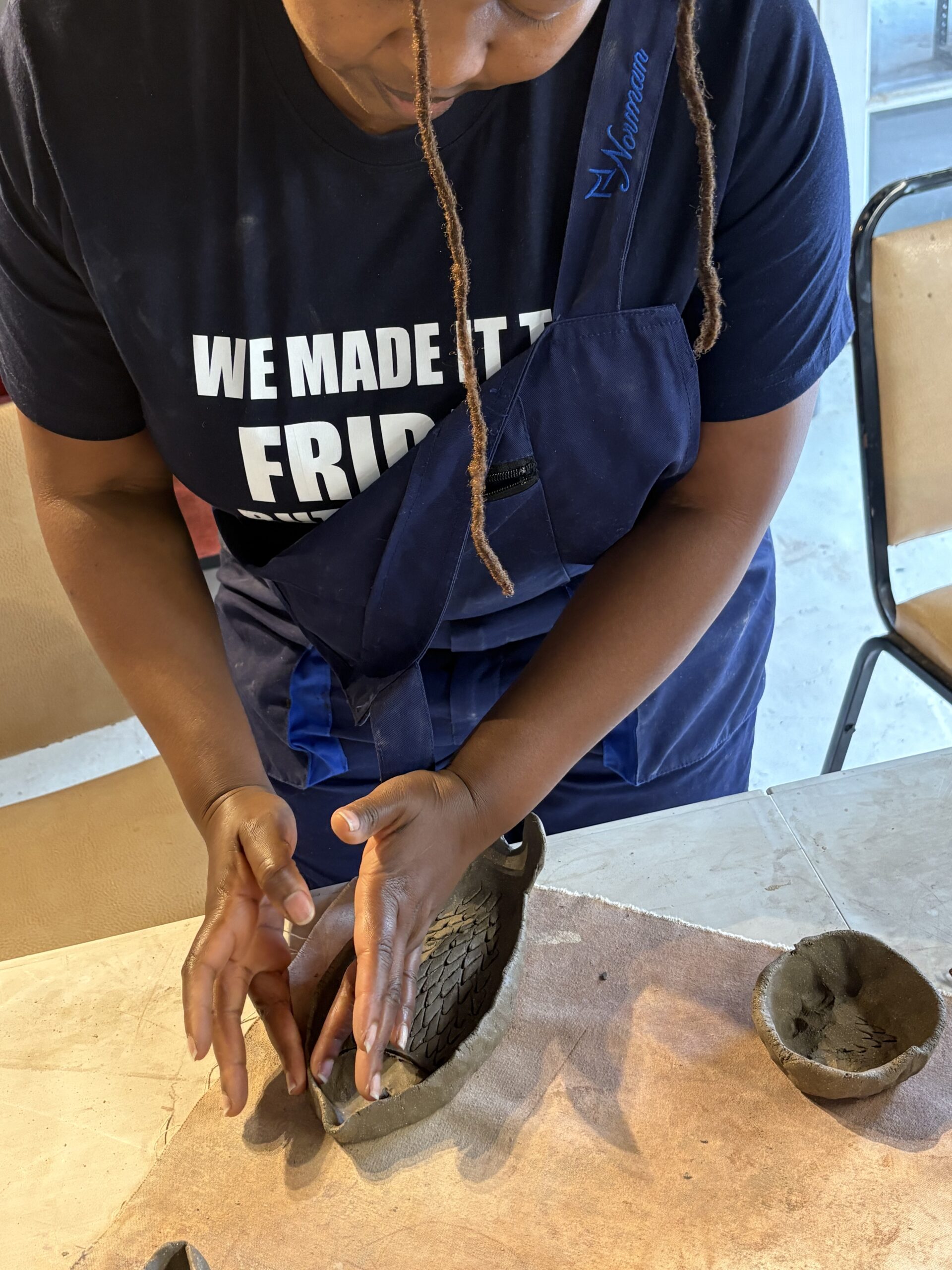
Perhaps that shouldn’t surprise me. I come from Chivi in Masvingo province, Zimbabwe, where clay has always been part of everyday life. Long before I understood the language of galleries or exhibitions, I understood the beauty of earthenware pots made by the women in my village, kumusha. As a child, I also made tiny clay pinch pots while playing mahumbgwe (playing house) during school holidays. Looking back, I realise my hands were already learning the language of clay long before I knew it could become my art.
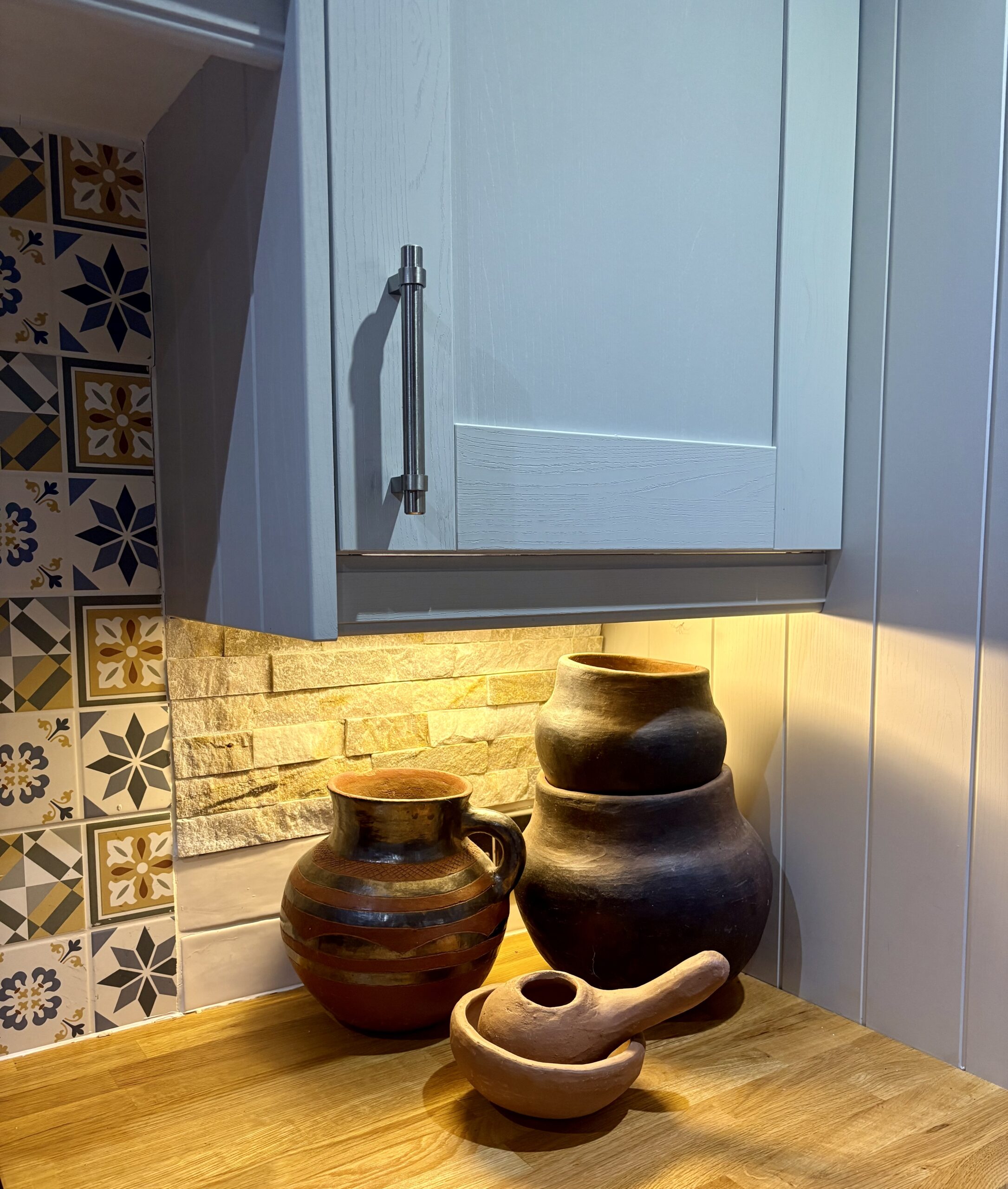
Traditional Shona clay pots, known as hari, are handmade using ancient coiling and pinching techniques before being pit-fired with cow dung. Rejecting the potter’s wheel altogether, they are shaped entirely by hand, just as generations of women have done for centuries.
Customarily, these vessels were not created simply to be admired. They cook sadza, simmer relish, store grain, cool drinking water beneath the African sun, brew doro rechiKaranga (our traditional beer), or maheu (a refreshing sorghum drink) and gather families around shared meals.
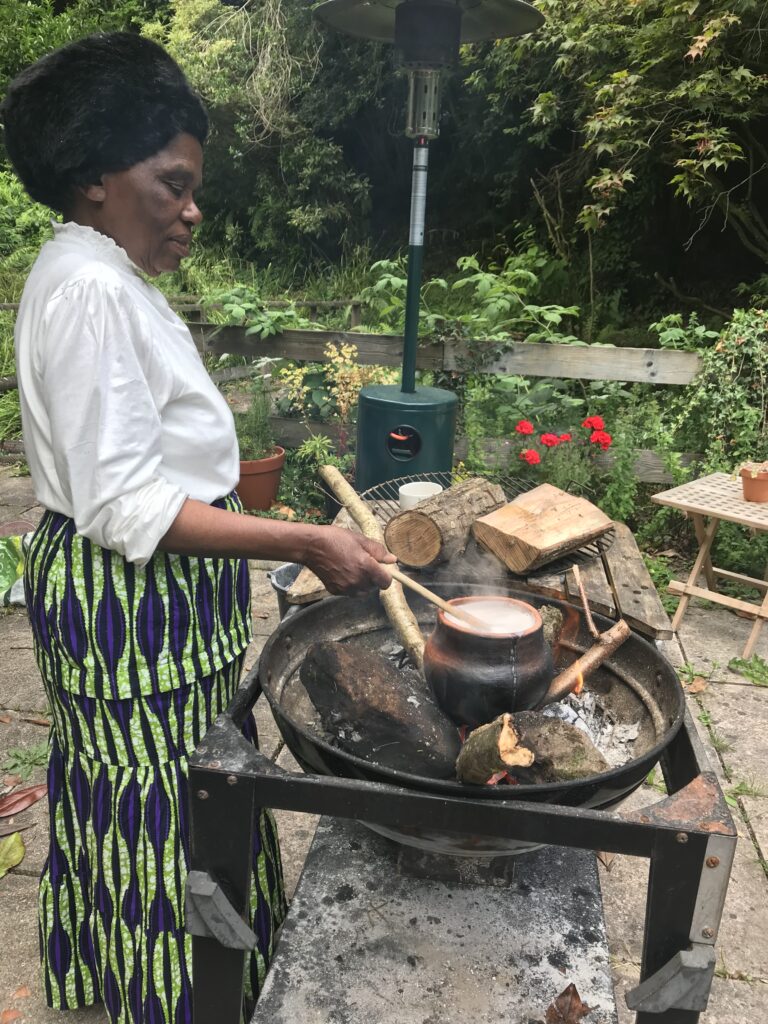
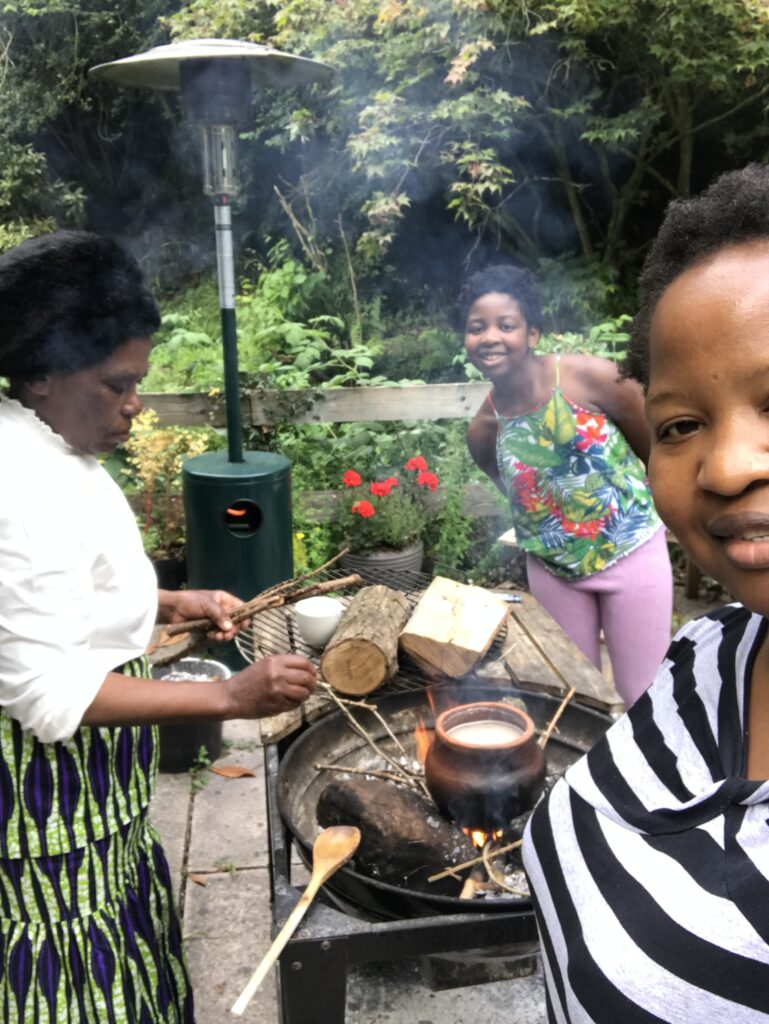
Their beauty lies not only in their form but in the lives they serve. They hold not only food and water, but stories, traditions and memories. Here, my great aunt is showing my daughter how to cook sadza in a clay pot called shambakodzi, on a braai stand at my home in Wales (summer of 2019).
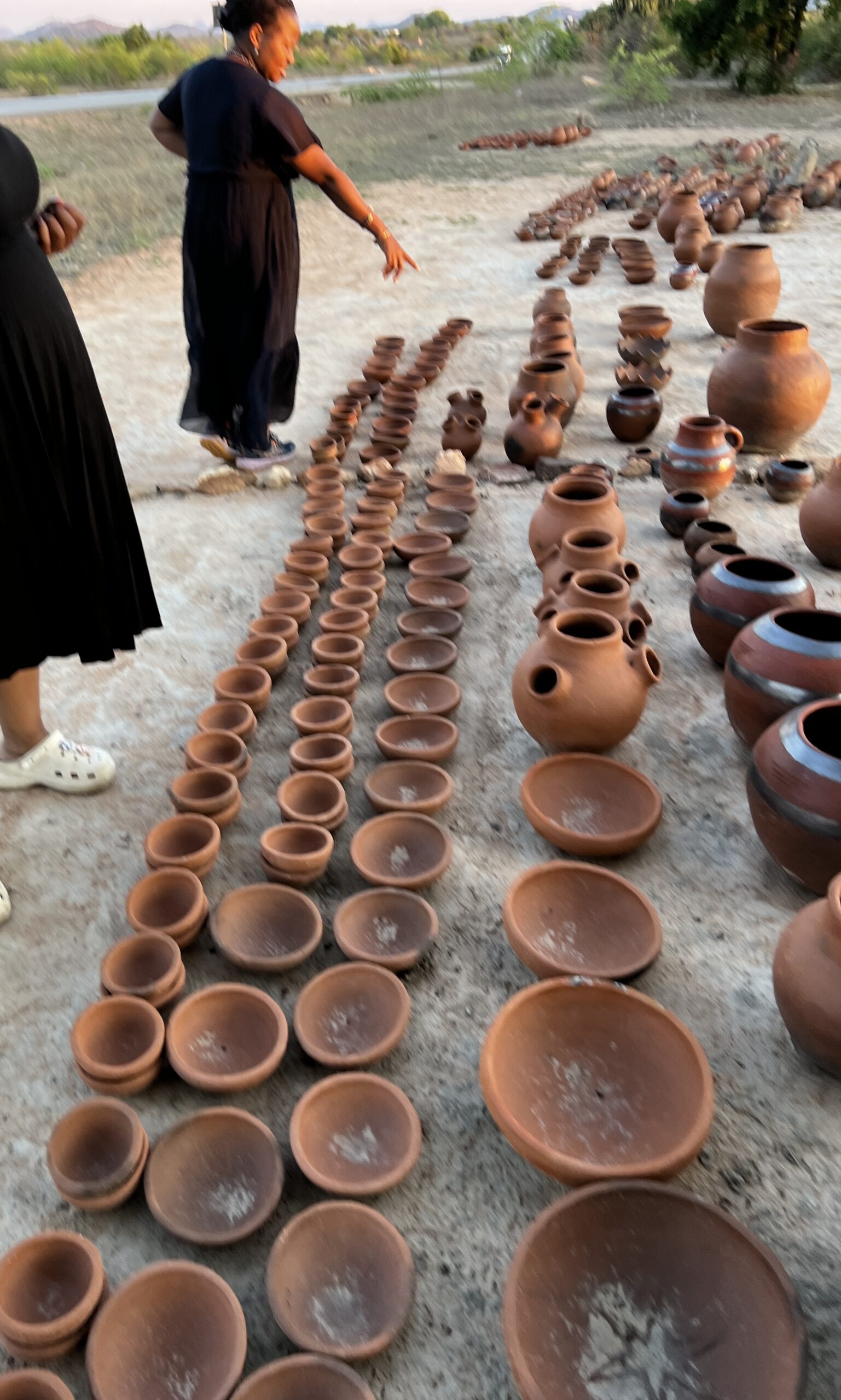
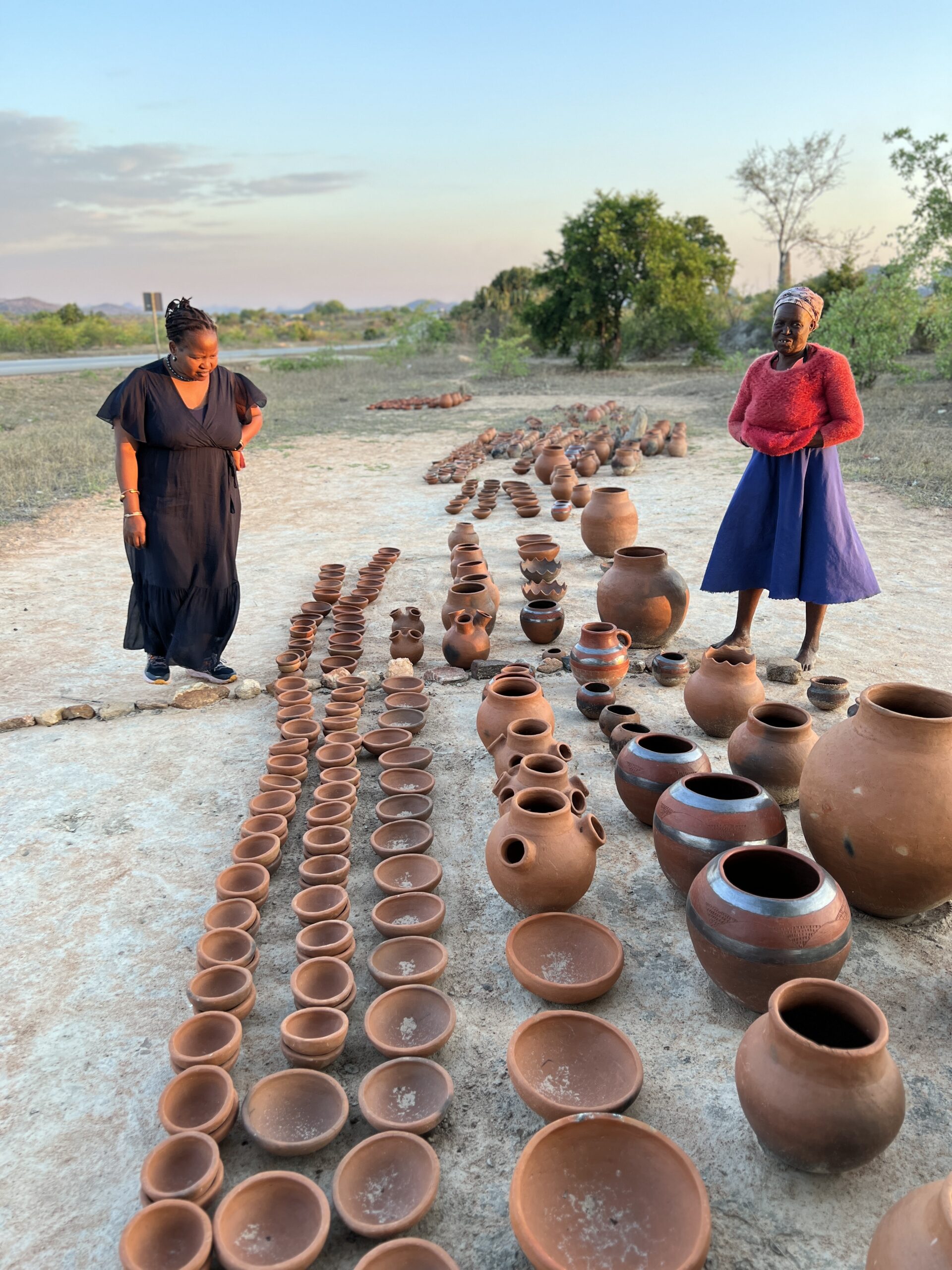
Only half a kilometre from our Chivi homestead stands what we simply call KuMakari, a well-known curio market on the Beitbridge Road, between Sese and Maringire townships, where tourists on their way to or from South Africa stop to buy Zimbabwean stone sculpture and pottery. Whenever I return kumusha, visiting those women has become something of a ritual. I rarely leave without taking another pot home with me, not because I need another one, but because each carries the fingerprints, knowledge and dignity of the woman who made it. These women fondly recognise me as “chana chaCharisi” (child of Charles) or “Rumbi waMbuya vaRumbi” (Rumbi, the grandchild of Rumbi’s grandmother).
One of my most treasured possessions is a clay pot that was given to me by one of my grandmothers as a wedding gift more than twenty years ago. It has remained with me through every chapter of my adult life, outliving house moves, changing seasons and different stages of my life. More recently it inspired one of my paintings, Honey Pot, which appears on the cover of Ushehwedu Kufakurinani’s poetry book. That simple earthen vessel has travelled from my grandmother’s hands to my studio, to a painting and finally to a book cover. It reminds me that art rarely exists in isolation. One medium continually breathes life into another.


During my last visit home in October 2025, curiosity got the better of me. Rather than simply buying another pot in Chivi, I asked the women if they would teach me how to make one. I also asked where they found their clay. Their answer has stayed with me ever since:
“Idhaka rinowanikwa parumhamhare – The best clay is found where thorn trees flourish.” There was something profoundly poetic about that answer. It reminded me that artists, like clay itself, are shaped by place.
My fascination with clay has extended far beyond Chivi. Whenever I travel between Wales and Zimbabwe, I often find myself browsing the pottery during stopovers at Addis Ababa Bole International Airport. Over the years, I have collected Ethiopian earthenware, including traditional jebena coffee pots, sini coffee cups, tagines, and other ceramic vessels, each carrying the character of the place and the people who made them. Beyond Africa, I have also found myself drawn to the rich ceramic traditions of the Mediterranean and South America, bringing home pieces from places such as Santorini and Peru. In my own kitchen, I enjoy cooking in clay roasters from the renowned Willsgrove Pottery Pvt Ltd in Bulawayo. Looking back, I realise I have been collecting, living with and using clay for many years before I ever thought to shape it myself.


Interestingly, my own journey into ceramics began through a series of seemingly ordinary moments. Synchronicity.
In March this year I attended the Monmouthshire Cultural Celebration and Networking event in Abergavenny. I was there partly to meet other artists and partly to ask around about suitable venues for the Zimbabwean stone sculpture workshops I was organising with master sculptor Brian Nyanhongo. During one conversation, an artist mentioned a ceramic sculptor in Raglan called Christine Baxter. By the time I left the event, however, I had completely forgotten her name.
Before leaving Abergavenny, I decided to visit Frogmore Street Gallery, a space I had been meaning to see for some time. As I chatted with the artists who run the gallery, the conversation once again turned to sculpture workshops. Once again, Christine Baxter’s name came up, but this time they handed me a flyer with directions to Court Robert Arts. It felt too much like a coincidence to ignore, and since Raglan was on my way home, I decided to drop by. That spontaneous decision changed the direction of my practice.
Christine and her partner, painter Alex Brown, welcomed me so warmly that what I imagined would be a short visit became an afternoon exploring their studios, talking about art and sharing tea and homemade cake in their café. Before I left, Christine generously offered to teach me ceramic sculpture, inviting me to shadow her, learn alongside her and spend time making whenever I was free. I accepted without hesitation.
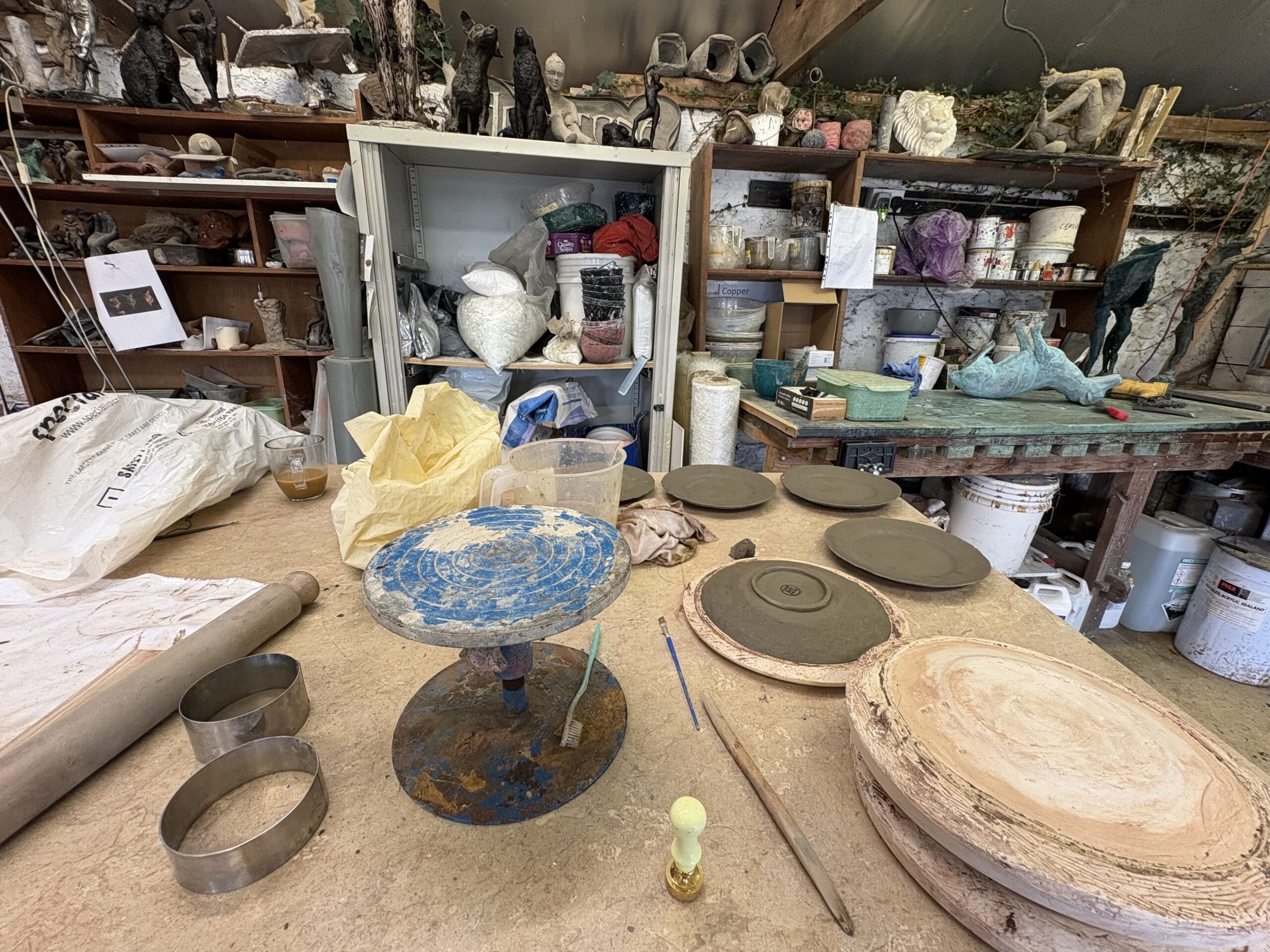
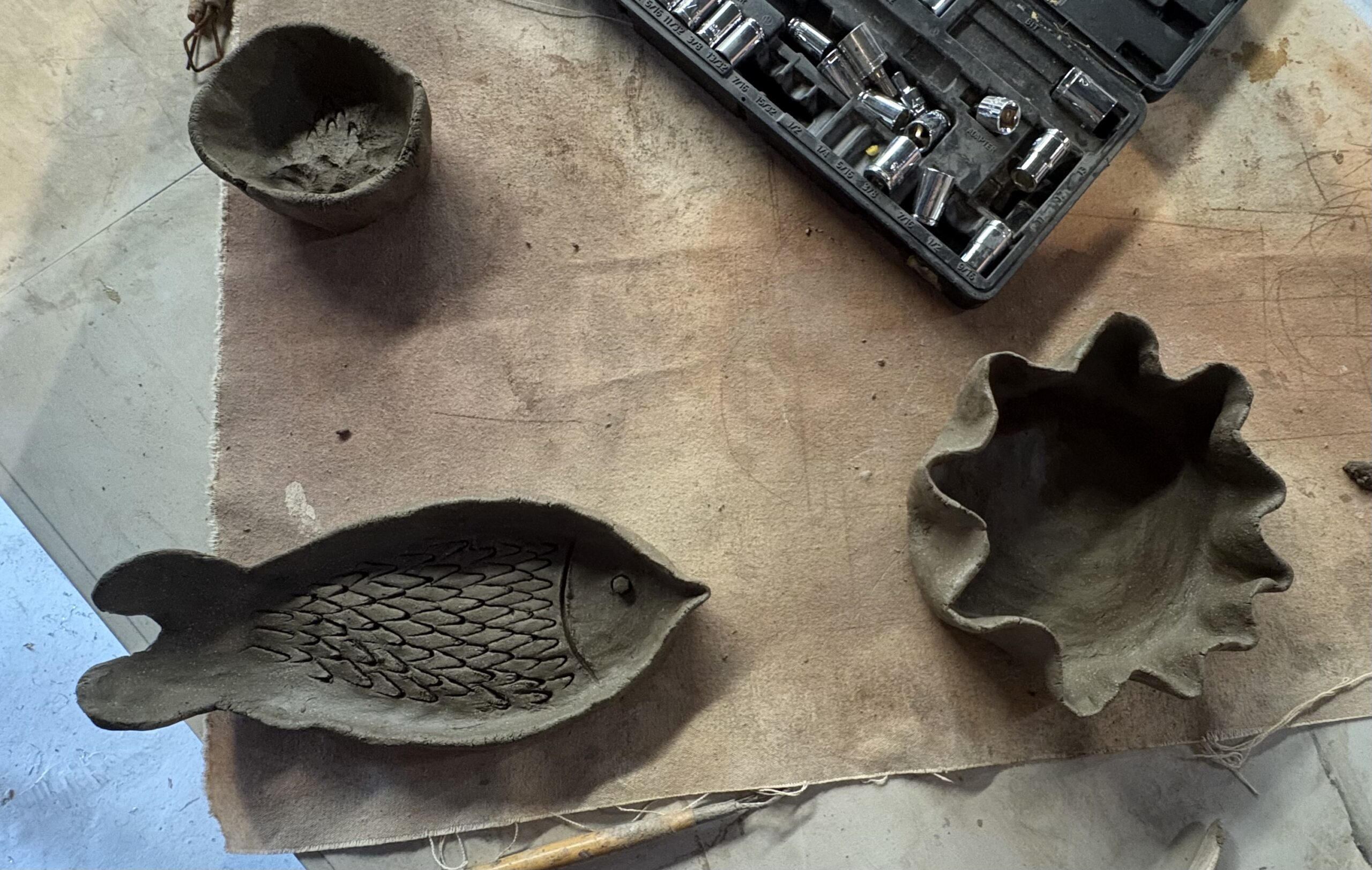
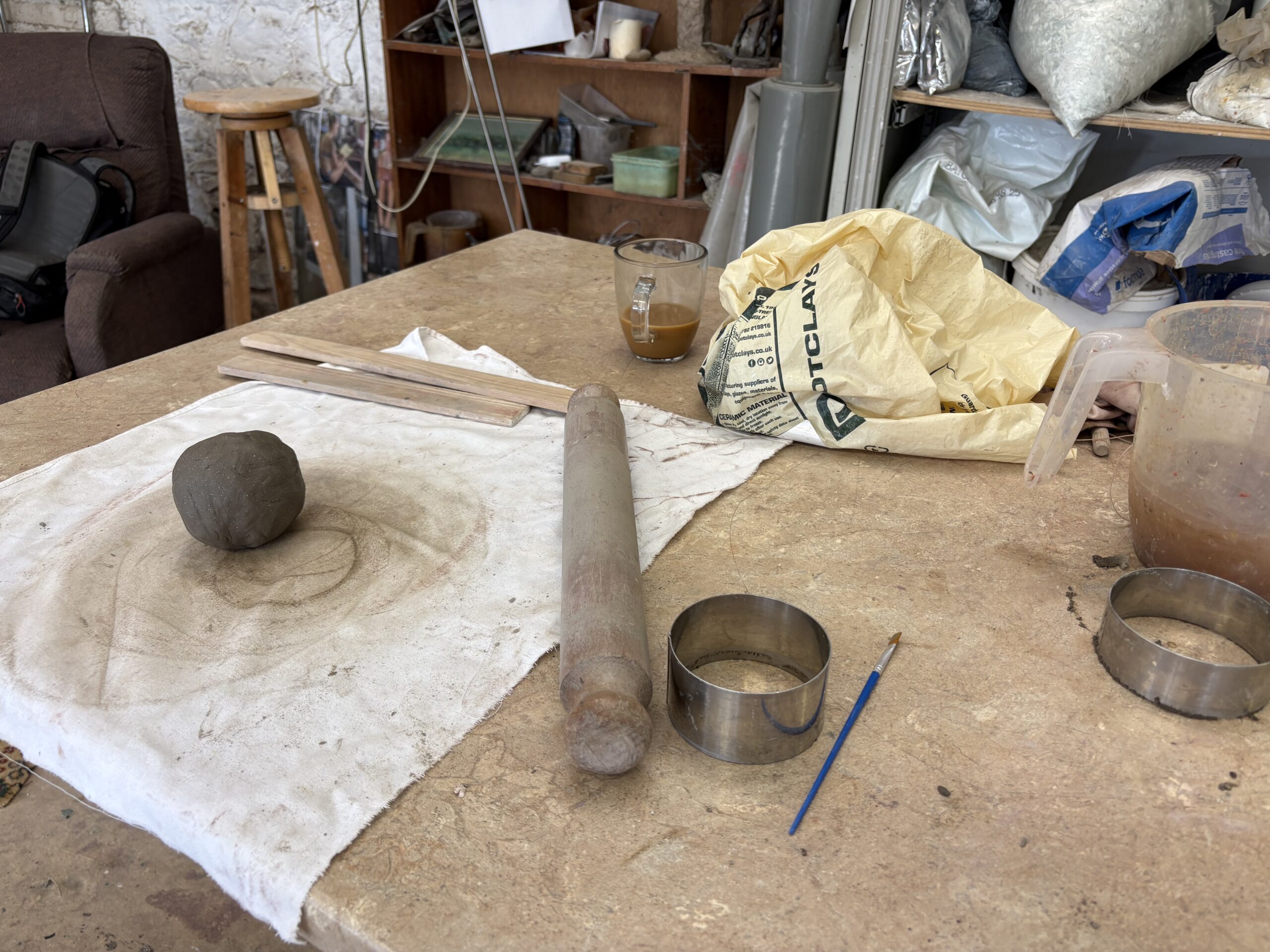
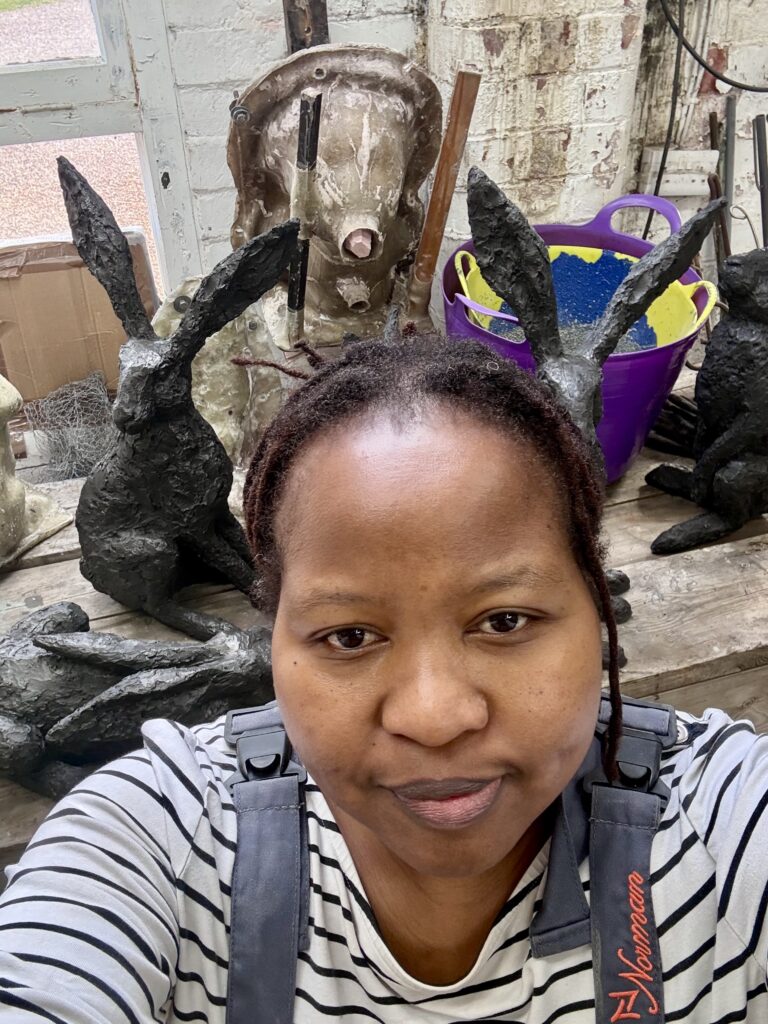
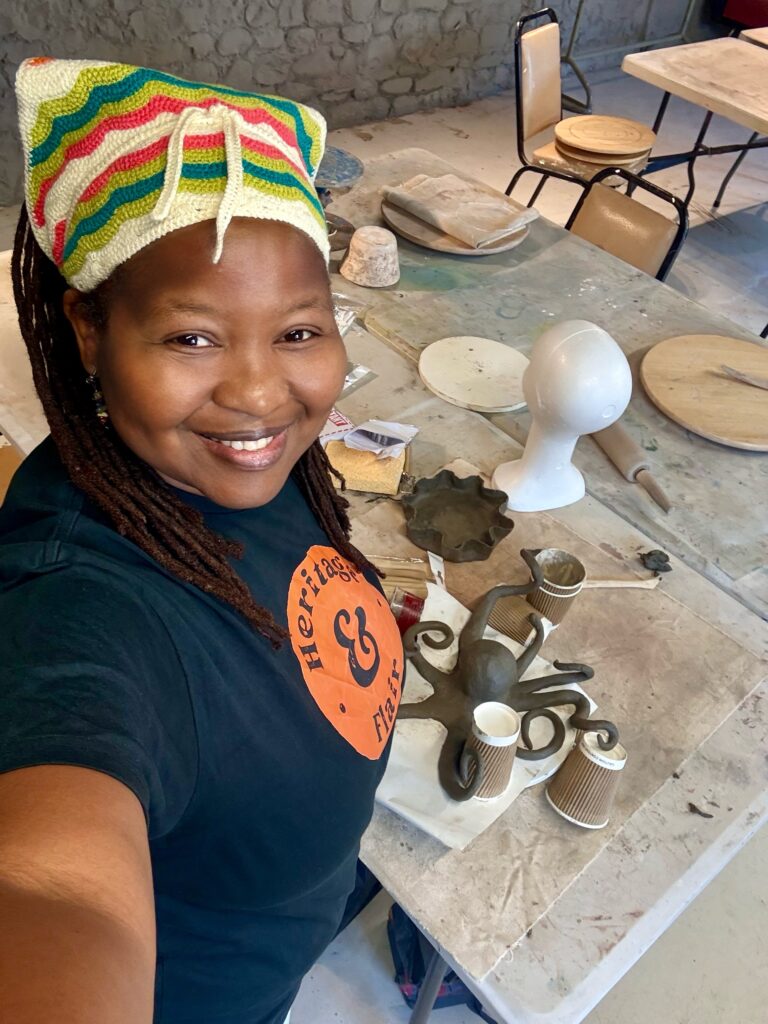
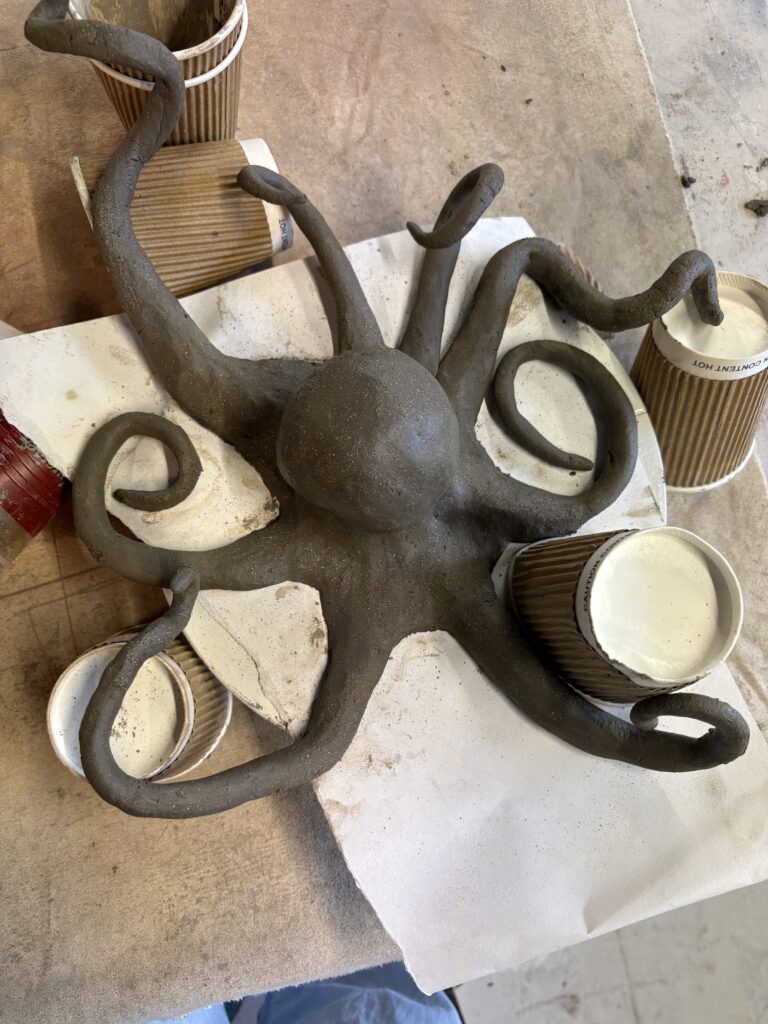
Only a few months later, I have become a regular participant in Christine’s workshops. I’ve invested in my own tools and equipment and have immersed myself in learning this remarkable material. My early pieces have included a decorative plates, mermaid, an octopus, a tortoise, a crocodile, and I am now beginning to develop increasingly ambitious sculptural works, like the bateleur eagle, chapungu – considered a sacred bird and messenger from Mwari (God), in Zimbabwe.
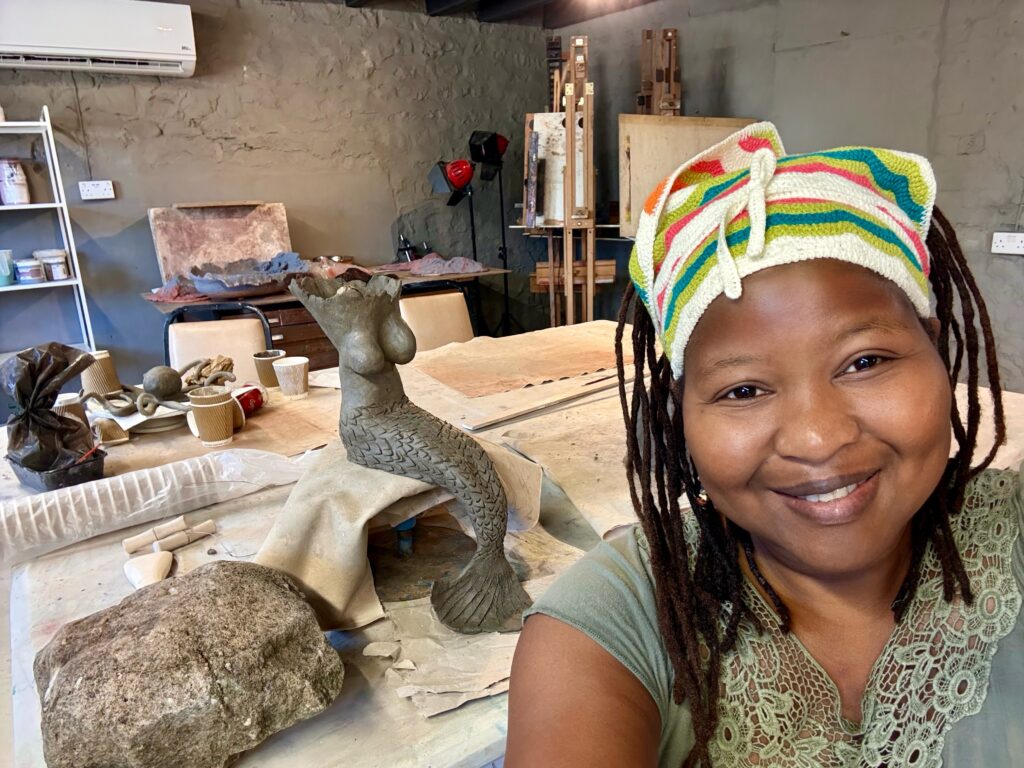
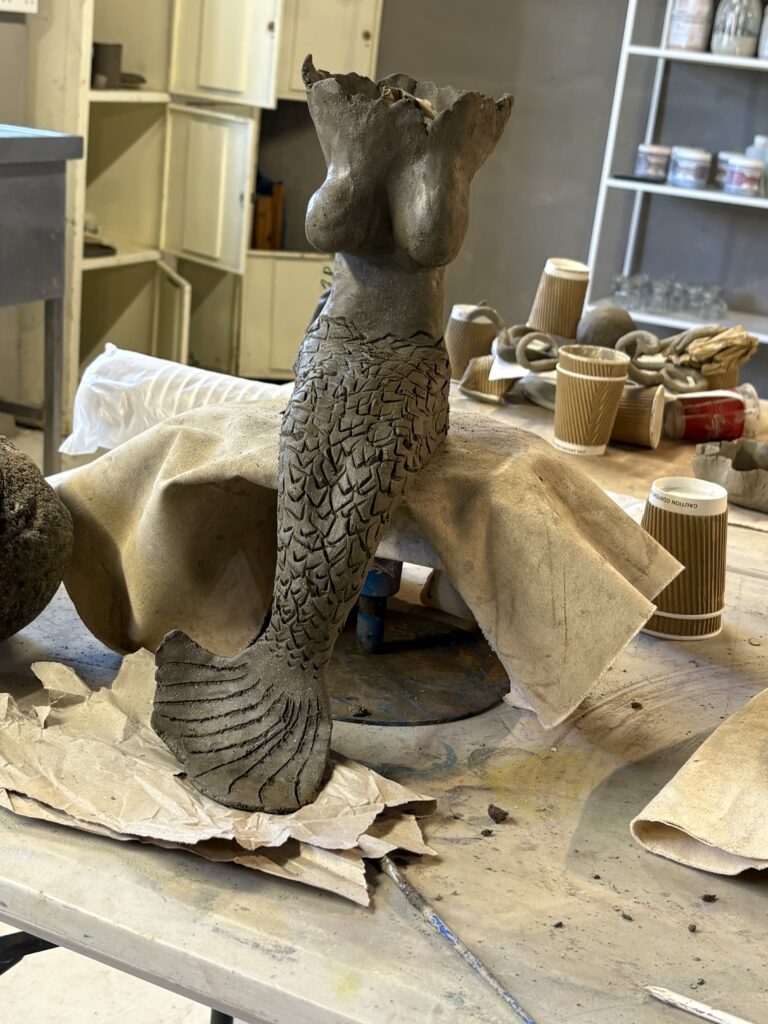
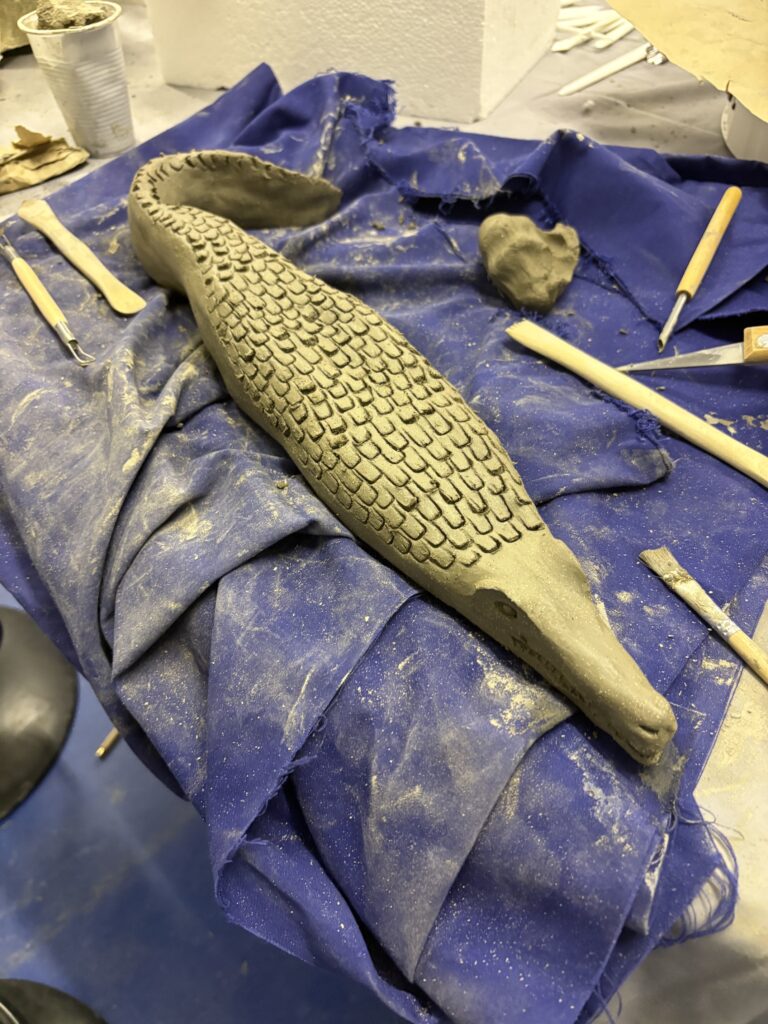
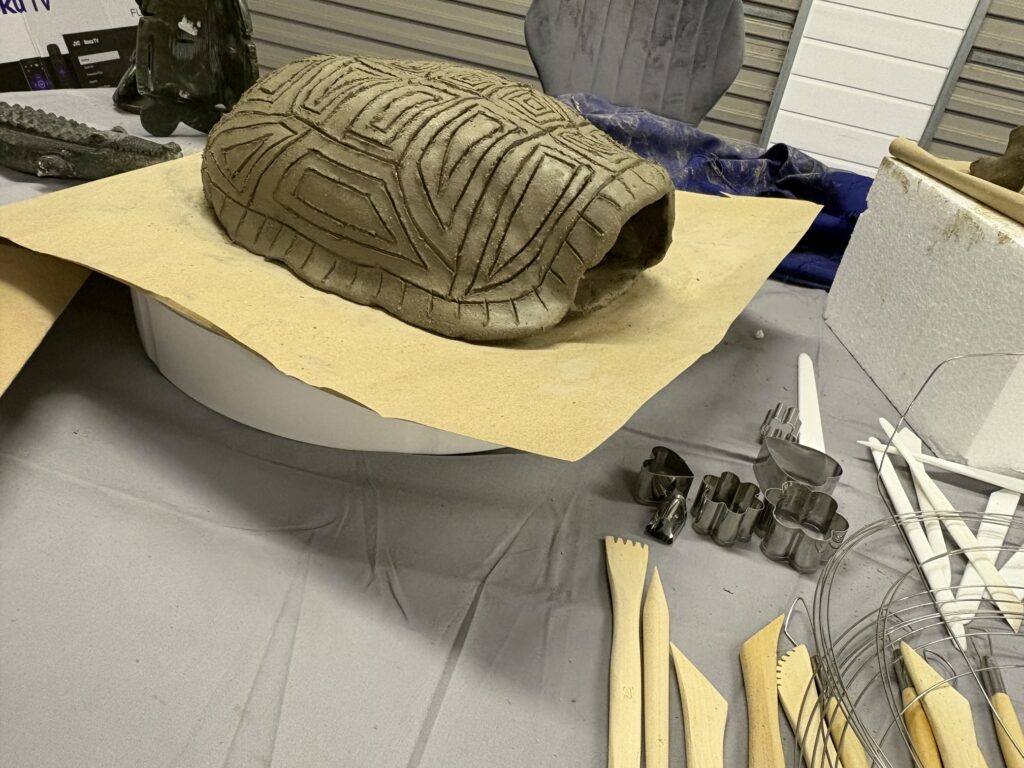
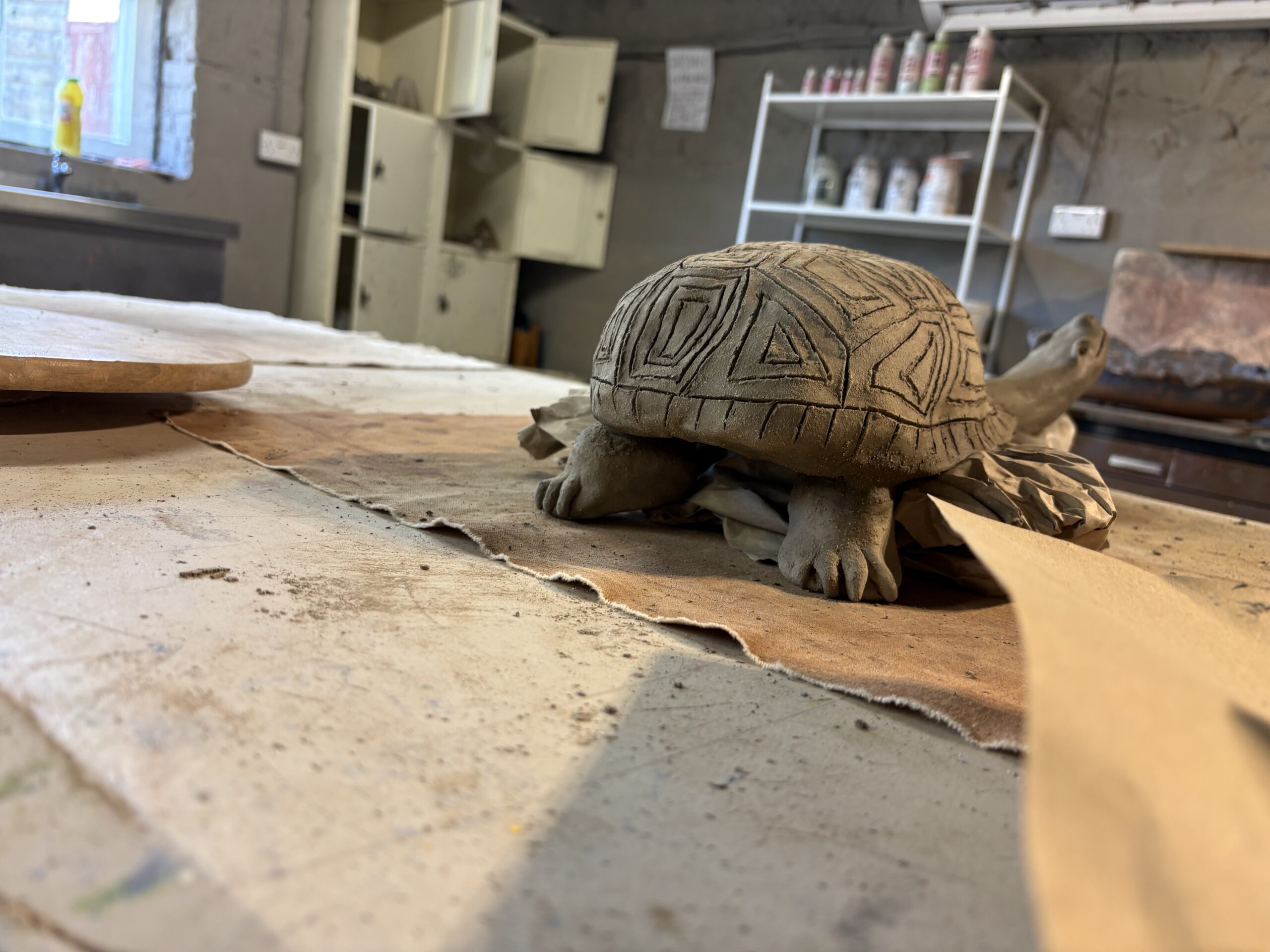
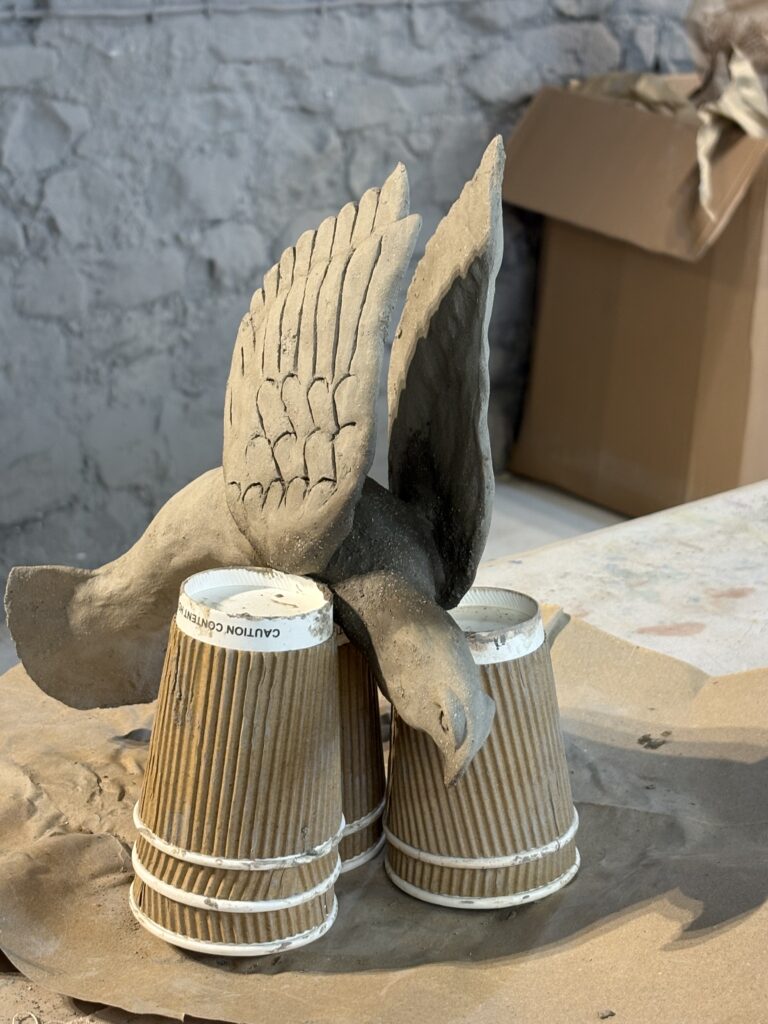
One of the greatest lessons clay has taught me has very little to do with ceramics. It has reminded me that we are limitless beings. It is easy to become known for one discipline and convince ourselves that we should stay within its boundaries. Yet creativity rarely respects boundaries. Every new material teaches us something different, and every new skill enriches everything that came before it.
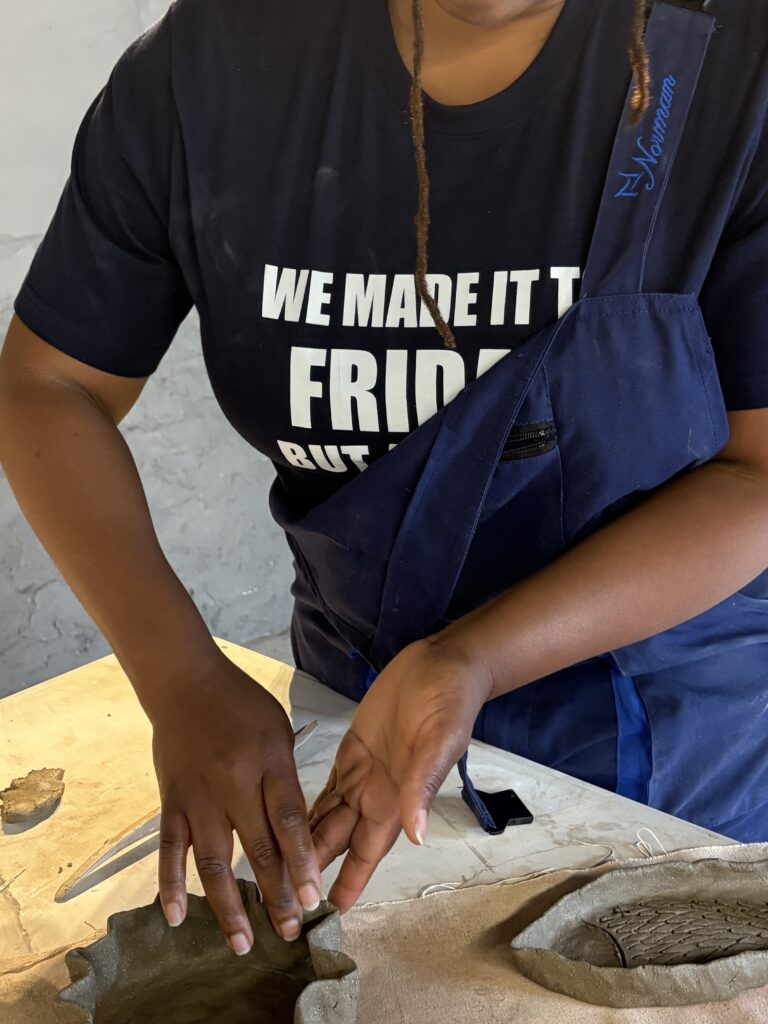
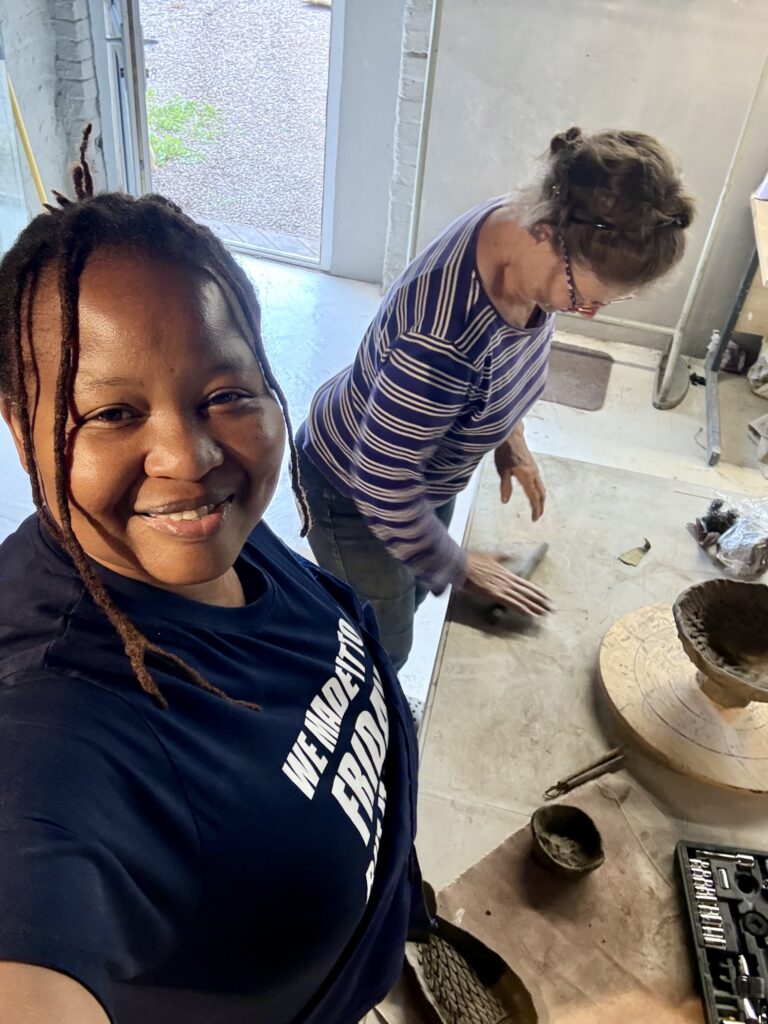
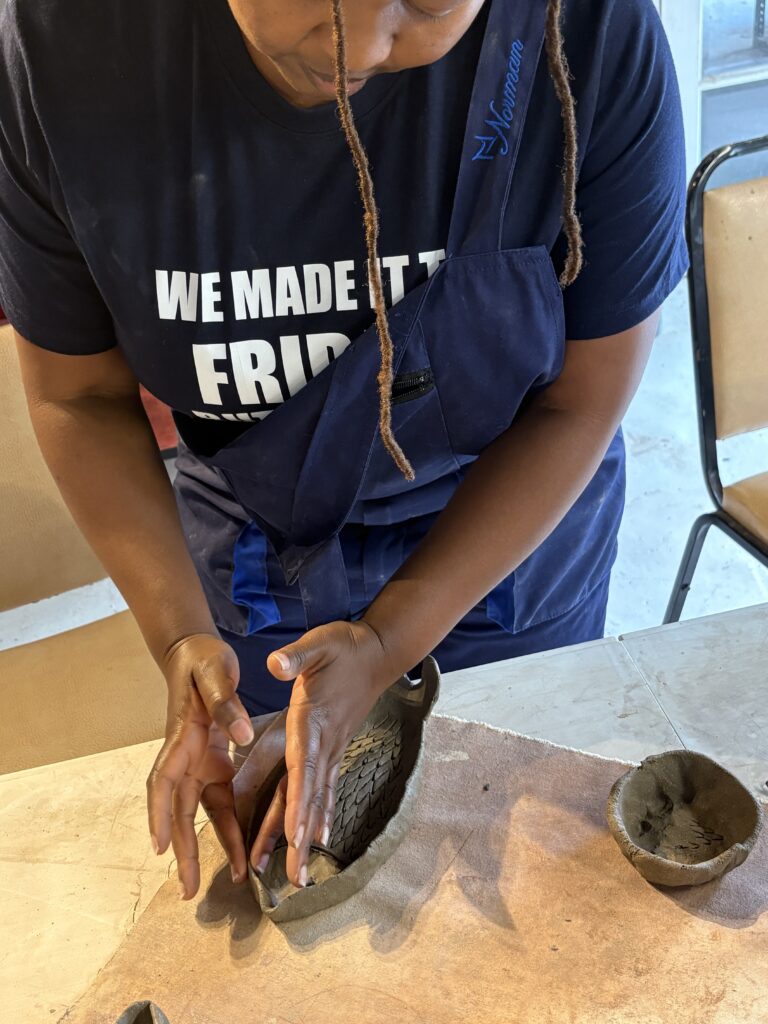
I no longer think of my creative practice as separate disciplines. Writing teaches me to tell stories. Painting teaches me to translate those stories into colour and light. Sculpture invites me to give them physical presence. Stone teaches me patience, permanence and endurance. Clay teaches me spontaneity, experimentation and transformation. Stone and clay are, in my mind, like dizygotic twins…siblings born of the same earth, each speaking a different creative language. Together they are not separate disciplines, but different languages expressing the same creative voice. At the heart of that voice is a desire to make things endure, by telling stories that outlive the moment in which they were created. Whether I am working with words, pigment, stone, or clay, I am asking the same questions about memory, identity, place and what it means to be human.
Perhaps that is why I feel so deeply called by clay. We are formed from dust, and one day we return to dust. There is something very moving about taking earth into our hands and for a little while, giving it form. Working with clay feels less like imposing an idea onto a material and more like participating in an ancient conversation between humanity and the earth itself. That conversation began long before me, in the hands of women in my village in Chivi, and it continues today in a ceramics studio in rural Wales. I feel incredibly fortunate to be part of both chapters of that story.
Today, I work with a commercially prepared Raku clay body (a Japanese-derived clay formulation) in Wales; a material designed for strength and versatility in sculptural work. It arrives neatly packaged rather than being dug from the earth by hand, yet I often find myself thinking of the women in Chivi who know exactly where to find “the best clay” (I still fully intend to go back and learn from them). Their knowledge of the land is every bit as remarkable as the technical knowledge found in a modern ceramics studio. Different places, different traditions, yet both begin with the same earth.
As artists, we often talk about finding our medium, but I have come to believe that sometimes the medium finds us. Sometimes we spend years searching for the next step in our creative journey. Sometimes it has been patiently waiting for us all along, in the hands of our grandmothers, in the women of our village, in a roadside pottery market, in the soil beneath thorn trees, or in a studio we almost didn’t visit in the Welsh countryside.
All we have to do is be in the right place at the right time, and be willing to say “yes” when the calling comes.
